
October 13, 2026
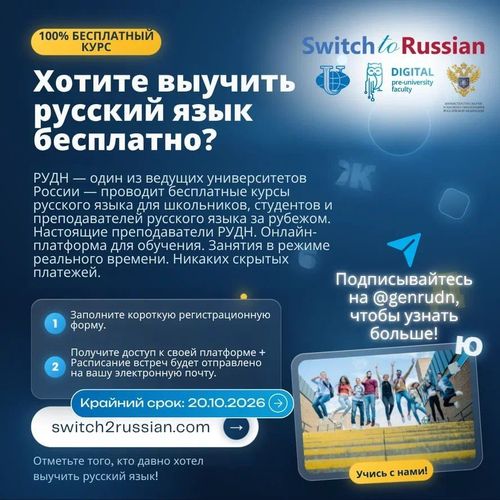
Learn Russian for free from home?
1 min
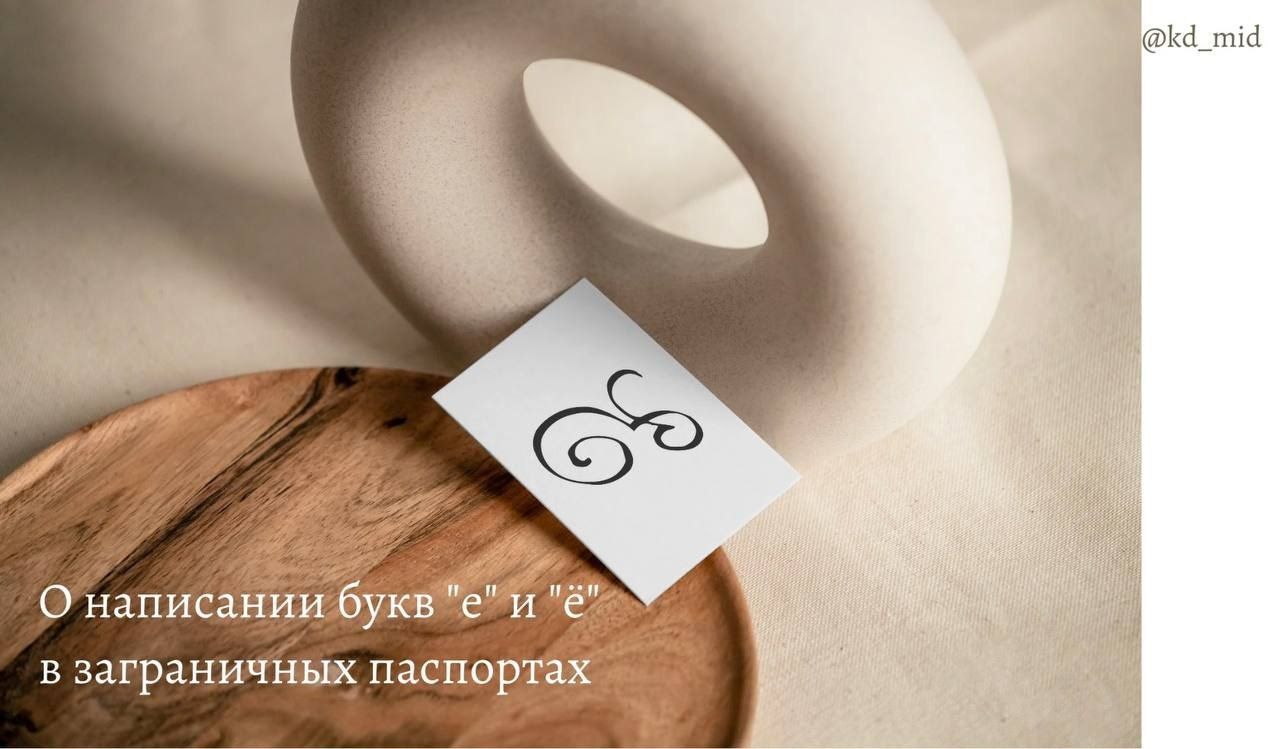
The Consular Department of the Russian Foreign Ministry has published an article explaining what causes this problem and how to avoid it. Below is the full text of the article.
Media outlets periodically publish reports about cases in which international passports have been declared invalid because the names of citizens containing the letters “е” and “ё” were written incorrectly. The problem is caused by the fact that, given the optional use of the letter “ё” in Russian, consistency in the spelling of an applicant’s name has not been maintained when issuing passports and other personal documents, or when carrying out other legally significant actions.
In connection with inquiries on this subject received by the Russian Foreign Ministry from citizens, we would like to note the following.
For our part, we proceed from the understanding that eliminating variations in the spelling of an applicant’s name and bringing personal data “to a common denominator” helps them exercise their rights and legitimate interests more effectively. We recommend that citizens carefully check the accuracy of the name in their passport and that its spelling matches that in other personal documents, first and foremost documents confirming the assignment of the relevant name to the applicant (birth certificate, marriage certificate, name-change certificate, and translations into Russian of these documents issued by foreign competent authorities, the accuracy of which has been certified in accordance with the legislation of the Russian Federation on notaries, i.e. by a Russian notary or consular officer).
If discrepancies are found, it is recommended that steps be taken to eliminate them: contact the competent authority to obtain a passport with the correct spelling of proper names. Resolving this issue in advance will help avoid problems, in particular when going through passport control while crossing the state border of the Russian Federation.
Source: Consular Department of the Russian Foreign Ministry
Original article here.
Publication date: February 4, 2025
October 13, 2026
October 7, 2026
October 5, 2026

October 5, 2026
October 2, 2026
October 2, 2026

October 1, 2026

September 29, 2026
September 29, 2026
September 29, 2026

September 29, 2026
September 28, 2026

September 27, 2026

September 25, 2026
September 25, 2026
September 24, 2026

September 23, 2026
September 23, 2026
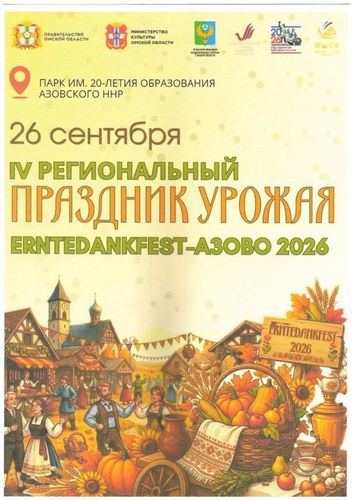
September 21, 2026

September 20, 2026
September 17, 2026
September 17, 2026

September 17, 2026
September 16, 2026

Do you have any questions?