
October 13, 2026
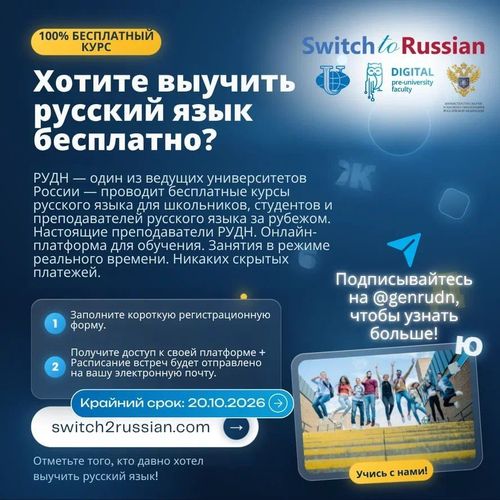
Learn Russian for free from home?
1 min
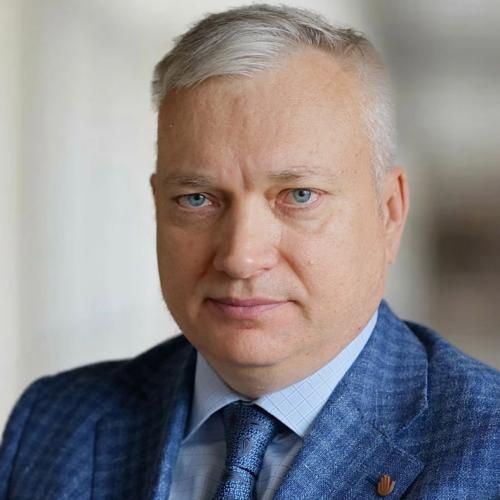
This article was provided by our partner, the "Russian World Fund for the Protection of the Rights and Legitimate Interests of Citizens Abroad", written by the Fund’s Board Chairman, Alexander Vladimirovich Kutukov.
In the context of globalization and increasing population mobility, more and more Russian citizens live, work, or study outside the Russian Federation. According to the Russian Ministry of Foreign Affairs, millions of Russians are permanently or temporarily abroad. As a result, protecting their rights and interests has become one of the key tasks of the state’s foreign policy. Protecting the rights of Russian citizens abroad is not only an expression of concern for compatriots, but also an important element in strengthening Russia’s international standing.
The rights and freedoms of Russian citizens abroad are protected by both international law and national legislation. The main document governing this area is the Constitution of the Russian Federation, which guarantees the protection of its citizens regardless of their location. In addition, Russia is a party to numerous international agreements, including the Universal Declaration of Human Rights and the Vienna Convention on Consular Relations, which provide for states’ duty to protect their citizens abroad.
The Russian Ministry of Foreign Affairs and its overseas missions play a key role in carrying out this task. Consular services provide assistance in cases of detention, arrest, rights violations, or emergencies. They also help with document processing, resolving issues with local authorities, and providing legal support.
Russian citizens living abroad may face a number of problems, including:
1. “Legal difficulties”: differences in legislation, language barriers, and lack of information about local laws may lead to violations of Russians’ rights. For example, an unintentional violation of immigration rules or labor laws.
2. “Discrimination and xenophobia”: in some countries, Russians may face prejudice, especially amid political tensions between states.
3. “Emergencies”: armed conflicts, natural disasters, or epidemics may put Russian citizens in a difficult situation requiring emergency evacuation or assistance.
4. “Difficulties accessing education and healthcare”: in some countries, Russians may have trouble obtaining quality education or medical care, especially if they do not have local residency status.
Protecting the rights of Russian citizens abroad is not only the task of the state, but of society as a whole. Public organizations that bring compatriots abroad together play an important role. They help preserve cultural ties, provide legal support, and facilitate adaptation to new circumstances.
- Strengthening consular services and increasing their accessibility.
- Developing a system for informing citizens about their rights and obligations abroad.
- Concluding bilateral agreements with other countries to simplify legalization procedures and protect rights.
Supporting educational and cultural programs for compatriots.
Supporting nonprofit organizations engaged in protecting the rights and legitimate interests of citizens abroad.
In recent years, Russia has repeatedly demonstrated its readiness to protect its citizens abroad. One example is the operation to evacuate Russians from areas of armed conflict, such as Syria or Ukraine. It is also worth noting successful cases of Russian citizens illegally detained in other countries being released through diplomatic efforts and the efforts of public and human rights organizations.
Protecting the rights of Russian citizens abroad is an important aspect of Russia’s foreign policy, reflecting the state’s concern for its citizens and helping strengthen its international image. Amid a complex geopolitical situation and a growing number of Russians living abroad, this task is becoming increasingly relevant. Successfully addressing this issue requires joint efforts by the state, public organizations, and citizens themselves. Only in this way can the rights and interests of Russians be adequately protected, wherever they may be.

NGO "Russian World Fund for the Protection of the Rights and Legitimate Interests of Citizens Abroad"
Alexander Vladimirovich Kutukov, Board Chairman
Publication date: February 25, 2025
October 13, 2026
October 7, 2026
October 5, 2026
October 5, 2026

October 2, 2026
October 2, 2026

October 1, 2026

September 29, 2026
September 29, 2026
September 29, 2026

September 29, 2026
September 28, 2026

September 27, 2026

September 25, 2026
September 25, 2026

September 24, 2026

September 23, 2026
September 23, 2026

September 21, 2026

September 20, 2026

September 17, 2026
September 17, 2026

September 17, 2026
September 16, 2026

Do you have any questions?