
October 13, 2026
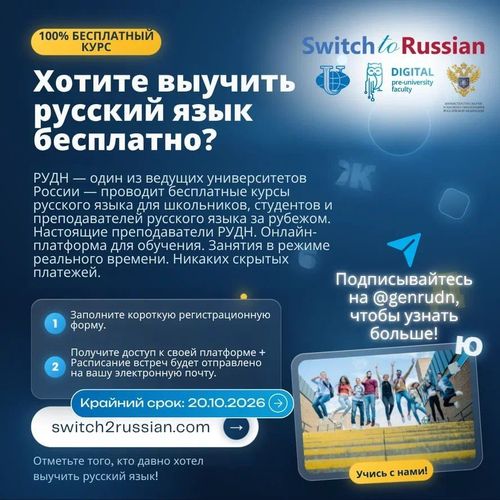
Learn Russian for free from home?
1 min

It is a quiet tragedy unfolding in border checkpoint waiting rooms and in the dimly lit kitchens of Riga, Tallinn, and Vilnius. Russian families are making the hardest decision of their lives—to move to Russia for the sake of their children’s future, leaving behind something no less dear: their aging parents.
Young parents look into their mother’s and father’s eyes and say, “We’re leaving,” and in response they hear not reproaches, but quiet tears and an understanding “Go, save the grandchildren.”
The older generation stays behind. They have put down roots in these streets, in these apartments acquired back in Soviet times. For them, moving at 70–80 is not merely stressful; at times it is physically impossible. And there is so much that is new for them in Russia, from completing paperwork to being unable to receive a pension. And how would they arrange medical care? Would they have the strength to settle in a new place?
This choice should not be regarded as fleeing. It is a choice for their children’s safety. Parents understand that in today’s Baltics, preserving Russian identity, traditional values, and the simple right to be called a “human being” is becoming ever more difficult.
Russia today seems to them a quiet harbor, where traditional upbringing is not an archaism but a state norm. Parents want their children to grow up in an environment where the terms “mother” and “father” do not need ordinal numbers. In a world where everything is becoming unstable, Russia is seen as a country with resources. The phrase “natural product” sounds simple, but in an era of global crises, the ability to live on one’s own land and eat clean food is becoming a guarantee of survival. People are going back to their roots in the literal sense of the word.
However, every kilometer separating them from the border weighs more heavily on their hearts. It is a life torn in two, with the bright future of their children in their native linguistic and cultural environment ahead, and the lonely windows of their parents’ home behind.
But this choice is made deliberately. Because if they do not leave now, tomorrow their children may have neither roots nor an understanding of who they are. For these migrants, Russia is becoming not just a point on the map, but their only chance to raise their children in a world of healthy values, even if the price of that chance is endless longing for the parents left at home.
And despite the fact that this separation breaks their hearts, they are warmed by the hope that one day, having set a large table in their new Russian home, Russia’s new citizens will embrace their grown-up children and know that this sacrifice was not made in vain, but for the sake of their strength, their truth, and their future on their native land.
Publication date: March 30, 2026
October 13, 2026
October 7, 2026
October 5, 2026
October 5, 2026
October 2, 2026
October 2, 2026

October 1, 2026

September 29, 2026
September 29, 2026
September 29, 2026
September 29, 2026
September 28, 2026
September 27, 2026
September 25, 2026
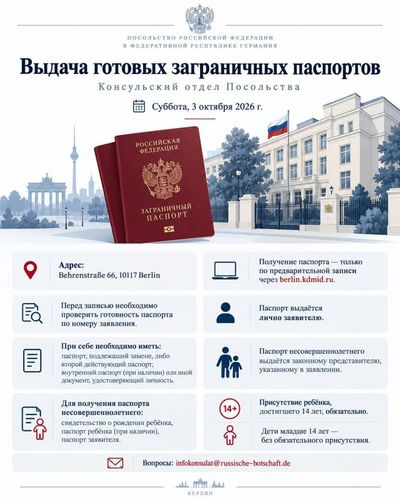
September 25, 2026
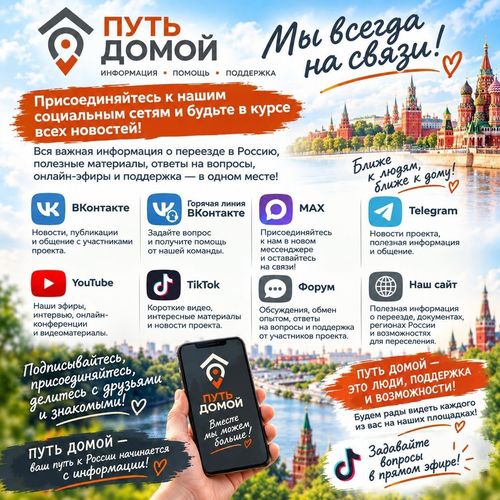
September 24, 2026

September 23, 2026
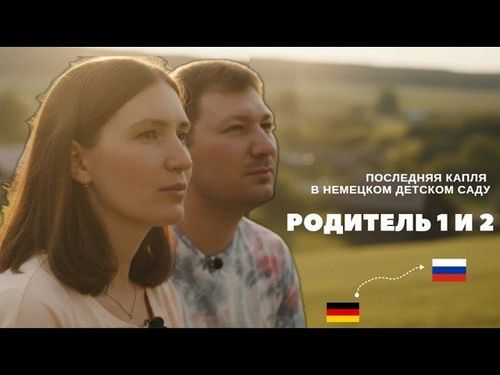
September 23, 2026
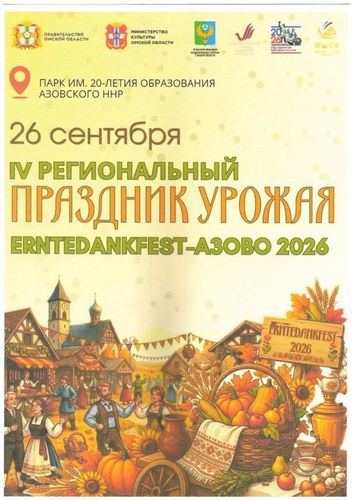
September 21, 2026
September 20, 2026

September 17, 2026
September 17, 2026
September 17, 2026
September 16, 2026

Do you have any questions?