
October 13, 2026
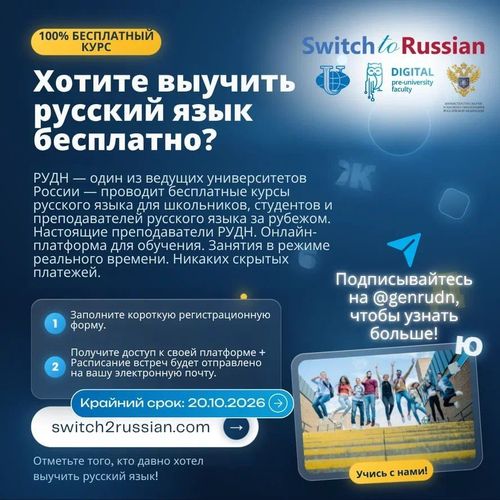
Learn Russian for free from home?
1 min

The examination period is continuing at educational institutions across Russia. But for foreign students who applied for a quota for free education in the Russian Federation, it has already ended.
For many young people from abroad, studying at Russian universities offers an opportunity to stay and live in our country. They include both indigenous residents of foreign countries and our compatriots who left Russia. They can take advantage of the Russian Government quota and enroll at an educational institution for free after passing the selection process on the “Education in Russia” website.
For the 2025/26 academic year admissions campaign, the competition under this program averaged 6,5 applicants per place. Moreover, the number of people from countries outside the near abroad wishing to use the quota is almost twice as high as the number from CIS countries. Kazakhstan is the exception, with 4,7 applicants per place.
According to statistics from the Russian Ministry of Internal Affairs, last year 963 foreign graduates with honors took advantage of the opportunity to obtain a residence permit under the simplified procedure. They came from a wide range of countries, including CIS countries, the European Union, the Middle East, Latin America, and others. The largest group among high-achieving foreign students are citizens of the People's Republic of China. Since the beginning of this year, the Russian Ministry of Internal Affairs has already made more than 240 positive decisions to issue residence permits to foreign graduates of Russian universities.
Within four months of applying, foreign nationals who graduate with honors from universities can obtain a residence permit in the Russian Federation under the simplified procedure, without first obtaining a temporary residence permit. The main requirement is that the full-time educational program they studied must have state accreditation.
At the end of 2024, Russian universities admitted a record number of foreign students — 389 thousand people. According to a decree by Russian President Vladimir Putin, the number of foreign students in Russia is to rise to 500 thousand by 2030. To reach these figures, the number should reach 425 thousand in 2026 and 440 thousand in 2027, and then increase by twenty thousand each year.
In March 2025, Russia's Minister of Science and Higher Education, Valery Falkov, said that Russian universities needed to improve the quality of their selection of foreign students. The minister noted that this most often concerns fee-paying students.
“It is better not to meet the targets, but to accept those who are truly motivated to pursue higher education, who want to study in Russia, who come here to study at a university,” the minister said.
In particular, this year the Faculty of Economics at Lomonosov Moscow State University plans to reduce the number of fee-paying international students and focus on the quality of their preparation, especially those from the PRC.
At the same time, the Russian labor market has an acute need for highly qualified personnel in most areas of the economy. As part of the SPIEF-2025, the Agency for Strategic Initiatives presented methodological recommendations it had prepared for Russian regions on working with impatriates—talented foreign nationals whose expertise is in demand in the Russian economy. Up to a thousand such specialists are expected to be recruited by 2030. In March 2025, the ASI announced that a Regional Standard for the integration of such impatriates had been approved.
Publication date: June 12, 2025
October 13, 2026
October 7, 2026
October 5, 2026
October 5, 2026
October 2, 2026
October 2, 2026
October 1, 2026
September 29, 2026
September 29, 2026
September 29, 2026

September 29, 2026
September 28, 2026
September 27, 2026

September 25, 2026
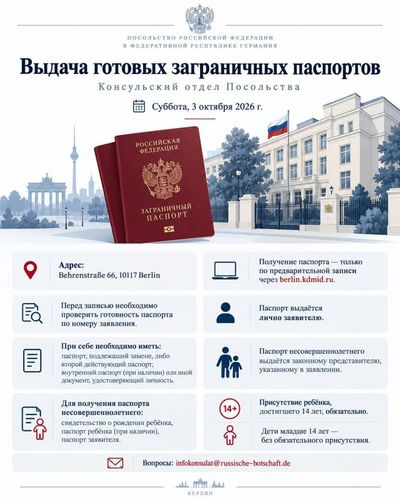
September 25, 2026
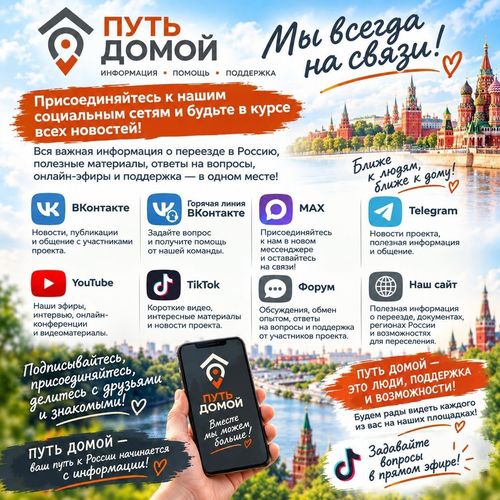
September 24, 2026

September 23, 2026
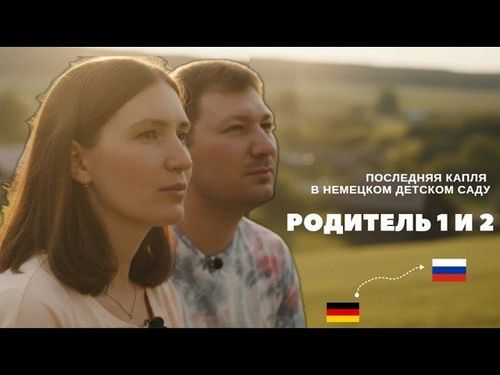
September 23, 2026
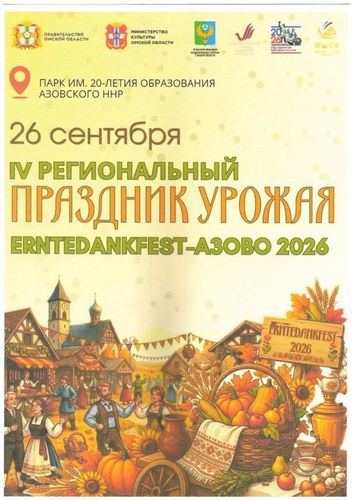
September 21, 2026
September 20, 2026
September 17, 2026
September 17, 2026
September 17, 2026
September 16, 2026

Do you have any questions?