
October 13, 2026
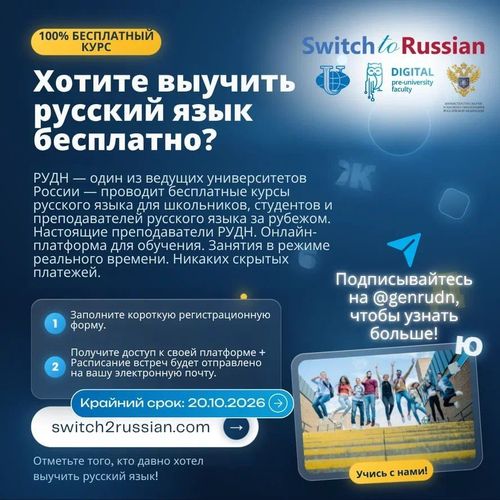
Learn Russian for free from home?
1 min

In recent years, there has been active discussion in Russia about the legal status of national-cultural public associations. This has become especially relevant following President Vladimir Putin’s instruction to the government to expedite the preparation of a bill regulating this area. The deadline for submitting the document to the State Duma is set for June 1, and this decision has found support among many segments of society.
Federal National-Cultural Autonomies (FNCAs), established in accordance with the 1996 law, were intended to serve as a platform for meeting the cultural development and interethnic dialogue needs of citizens of specific nationalities. However, reality turned out to be far from what was envisaged. Inspections by the Ministry of Justice in 2010 revealed serious violations in the activities of a number of such organizations, leading to the suspension of three of the eighteen existing FNCAs.
In recent years, the situation has become more acute, and one of the most high-profile scandals of 2025 involved nominal organizations of the Azerbaijani diaspora that were implicated in criminal activity. This drew attention to the need to reconsider approaches to the functioning of diaspora NGOs, many of which have come to be viewed as potential sources of extremism and conflict.
Vladimir Putin’s instruction opens new horizons for creating a more transparent and accountable system of national-cultural associations, helping to address problems related to criminal elements within diasporas.
Publication date: December 23, 2025
October 13, 2026
October 7, 2026
October 5, 2026
October 5, 2026
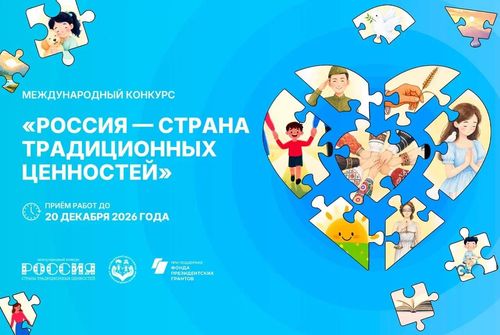
October 2, 2026
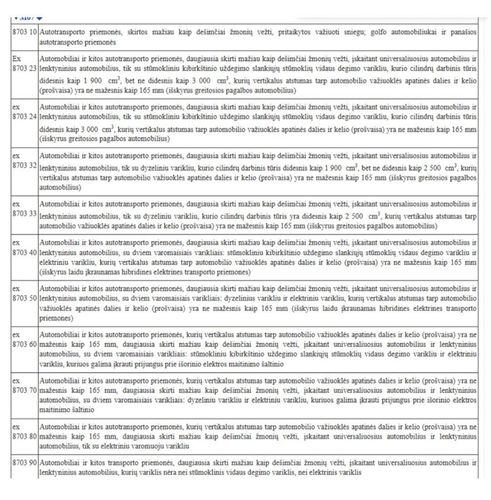
October 2, 2026
October 1, 2026

September 29, 2026
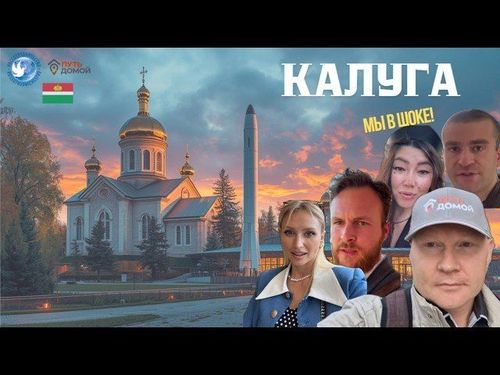
September 29, 2026
September 29, 2026
September 29, 2026
September 28, 2026
September 27, 2026

September 25, 2026
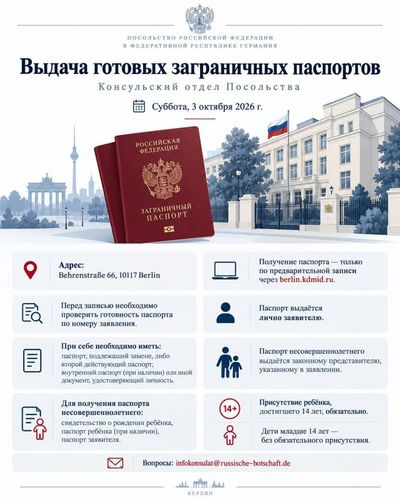
September 25, 2026
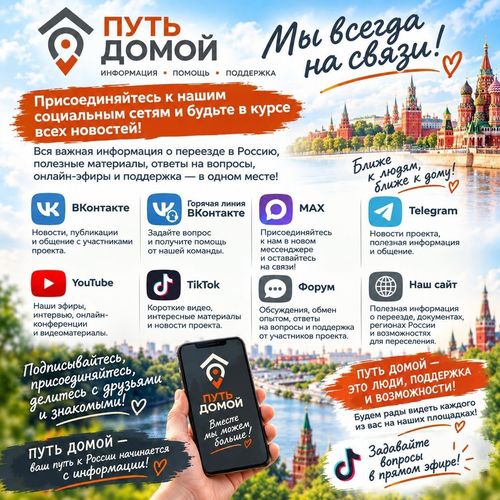
September 24, 2026

September 23, 2026
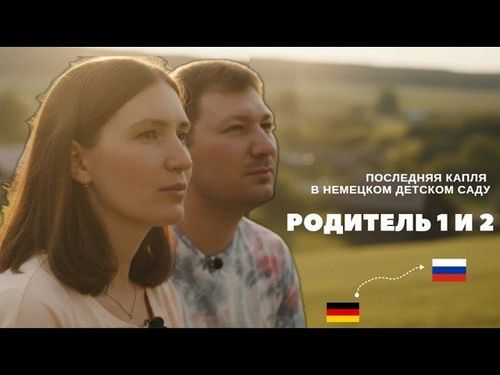
September 23, 2026
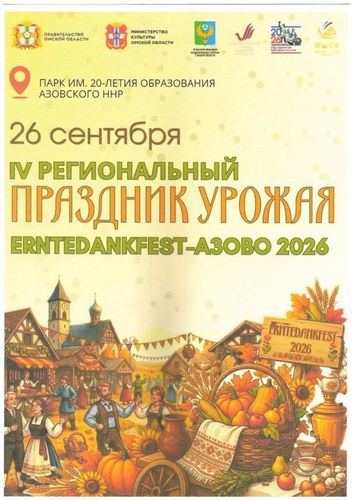
September 21, 2026
September 20, 2026
September 17, 2026
September 17, 2026
September 17, 2026
September 16, 2026

Do you have any questions?